Proof of Human: Why Photographers Are Learning to Show Their Workings Again

Every working photographer in 2026 has had some version of this conversation. A client loves the images, then hesitates. "These are yours, right? Like, all yours?"
It's not an insult. It's a legitimate question in a world where a chatbot can produce a plausible golden-hour portrait in nine seconds and a browser extension can fake the noise pattern. The camera didn't kill painting, and AI probably won't kill photography — but it has changed what a photograph is accepted as evidence for.
Which means photographers are, somewhat unexpectedly, back in the business of proving authorship. Not with argues or takedowns. With ordinary, boring, human evidence.
The trust problem isn't really about AI
Here's the thing nobody says out loud: buyers were already suspicious before the generators arrived. Retouchers got very good. Composites got very good. Stock libraries got very confusing. What AI did was collapse the whole range of "how much of this is real" into a single anxious question mark.
So the market is doing what it always does. It's repricing the stuff that can be verified. A photographer who can say exactly where they stood, what they shot, and what they did afterward has a product that's harder to fake — and easier to charge for.
Process as signature
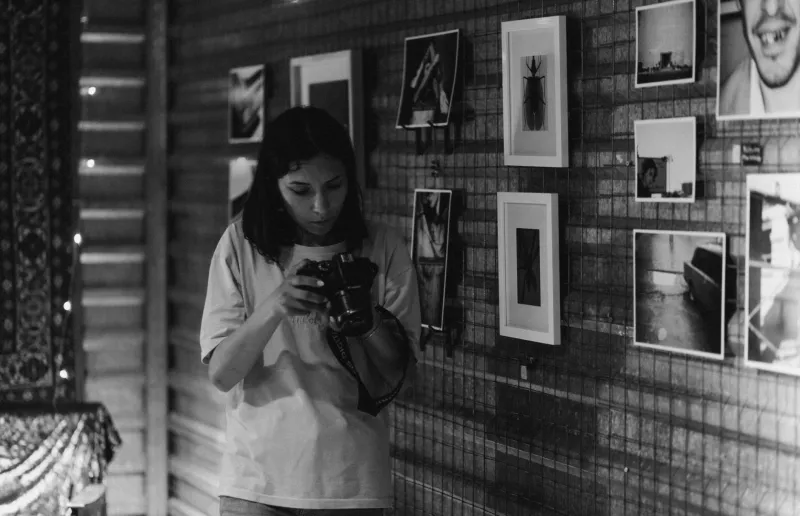
The most visible response has been the process reel: the behind-the-scenes clip, the contact sheet, the before-and-after with the sliders moving. And yes, some of it is theater. Nobody's creative process looks like a 30-second vertical edited to a trending audio track.
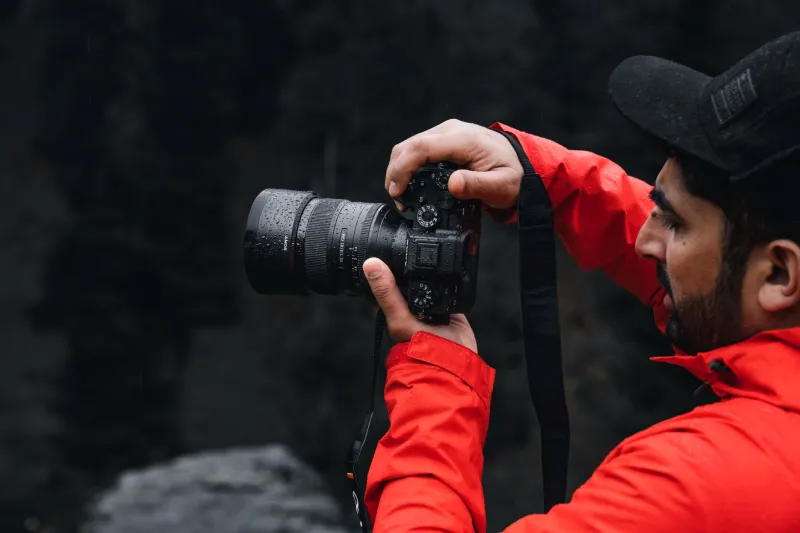
But the photographers doing this well aren't making filmmaking content. They're leaving evidence. A landscape shooter posting the trailhead sign and the mile marker. A wedding photographer sharing a straight-out-of-camera frame next to the finished one, with a note about what changed and why. A portraitist posting the lighting diagram that would be useless to anyone who wasn't standing in that room.
The unifying theme is location, time, and labor. Not "look how hard I worked" — "look where I was." That's an assertion a generator can't make.
Prints, editions, and the paperwork that sells
If process reels build trust fast, prints build it slow and permanent. Limited editions with actual numbering, a signature on the back, and a provenance note describing the location, the date, the equipment, and any significant processing — that's a package an AI image can't replicate, because the value was never only in the pixels. It's in the object and the chain of custody.
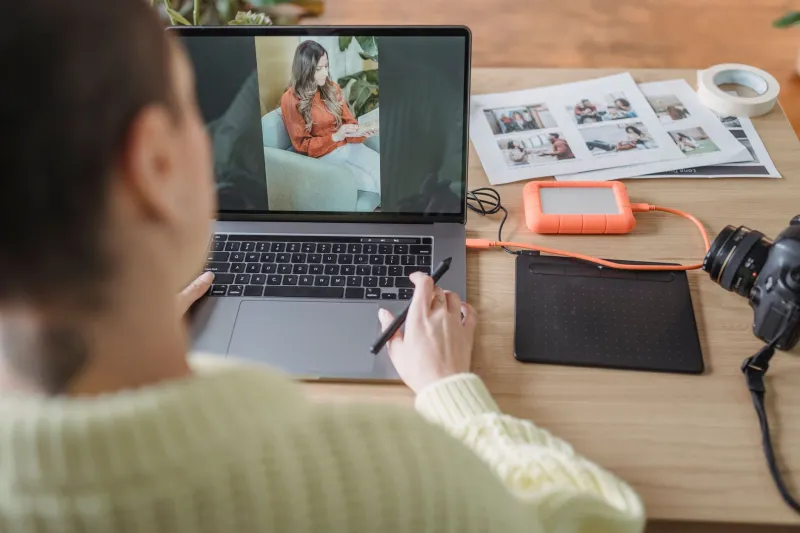
Print labs have noticed. More photographers are ordering small editions with documentation cards and asking for archival details they can pass to the collector. A few have started attaching a short "provenance sheet" to commercial deliveries: capture date, location, camera, lens, processing notes, and a plain statement about what was and wasn't manipulated.
The key is plain. A one-page note that says "shot in Bryce Canyon on this date, edited in these ways, no generative fill used" reads as professional. A three-page manifesto about human creativity reads as nervous.
The tension: transparency versus mystique
Not everyone is sold. Plenty of photographers argue that explaining everything kills the thing they're paid to create. If a client sees the messy setup, the scrim held up by a borrowed ladder, the flash lighting up the whole alley — does the final image feel as magical?
Honestly, it depends on the client. Editorial buyers who are worried about liability want documentation. Consumers buying a portrait want to believe they value craft. Commercial clients want to know their image won't get their brand dragged into an authenticity scandal, which means they want receipts.
Most photographers find a middle path: document thoroughly, then don't lead with it. Keep the RAW files, attach the note to the invoice, and let the work do the talking in the portfolio. Transparency becomes something you can produce on request rather than a banner you wave at every visitor.
What actually signals human authorship
The unglamorous truth is that the strongest proof is judgment. Machines can make a well-composed image. What they can't do is decide to include the ugly parking lot because that's where the light was, spend forty minutes talking to a stranger so she'd stop posing, or choose the frame where a kid blinks at exactly the wrong moment because it captures something the perfect frame didn't.
So the photographers who are doing this best are building evidence of decisions. Notes in metadata. A contact sheet of the ones that didn't work. A short paragraph on the back of the print explaining what was going on that day.
A short checklist
If you want to be ready for the question, get these in place before a client asks:
- Keep and organize RAW files with original timestamps on two separate drives.
- Add location, capture date, and processing notes to your metadata before export.
- Write a plain-language processing statement you can send in thirty seconds.
- Number and sign any limited edition, and include a provenance card with it.
- For commercial work, put AI usage in the contract in black and white — including "none."
- Save one honest behind-the-scenes frame per shoot. Not a reel. A frame.
The good news in all this is that "human-made" isn't a marketing gimmick you have to invent. It's a description of what already happened. The photographer went outside, stood somewhere, waited, made choices, and came back with a picture. Showing that has never required an apology.